My favorite night in Aruba started with a plastic cup of Balashi at a beach bar on Palm Beach and ended at 3am at a roulette table I had no business sitting at. In between there was a basket of pastechi, a sunset that turned the whole western sky pink, a band covering Bob Marley badly and wonderfully, and a painted party bus full of strangers from Ohio shaking maracas. Nobody planned any of it. That, I’ve come to think, is the whole point of Aruba nightlife: it’s less a scene you have to crack than a current you let carry you from sunset to last call.
Aruba nightlife is relaxed, friendly and surprisingly varied for a 70-square-mile island: sunset beach bars and two-for-one happy hours on Palm Beach, a dozen casinos open till the small hours, a handful of real nightclubs, live music and piano bars, open-air party buses, and the island’s electric Carnival season in January and February. It is not a thumping all-night rave like Cancún or Ibiza — and most people are relieved to hear that.
I’ve written this guide the way I’d brief a friend the week before their trip: how the night actually works here and when it starts, the best beach bars and cocktail spots, how the casinos and clubs compare, where the live music and festivals are, and the honest logistics — what it costs, what to wear, how to get back to your hotel, and what to skip. Whether you’re on a honeymoon, out with a big group, off a cruise ship for one big evening, or wrangling kids who still want a fun night out, there’s a section below for you.
Aruba nightlife at a glance
If you skim one thing, make it this. Here’s how the island’s main after-dark scenes compare, so you can match your night to the trip you’re having.
| Scene | Where | Vibe | Best for | Typical hours |
|---|---|---|---|---|
| Beach bars | Palm Beach & Eagle Beach | Barefoot, sunset, live bands | Everyone; sundowners | 11am–midnight |
| Casinos | Palm Beach & Oranjestad | Glitzy, air-conditioned, lively | Gamblers, late-night | Noon–4am / 24h |
| Cocktail & piano bars | Palm Beach & Oranjestad | Dressed-up, social | Couples, date night | 6pm–1am |
| Nightclubs | Palm Beach (Paseo Herencia) | DJs, dancing, late | Night owls, groups | 11pm–4am |
| Live music & shows | Island-wide | Bands, comedy, folklore | All ages | 7pm–midnight |
| Party buses | Pickup island-wide | Rolling, rowdy, social | Groups, first-timers | 7:30–11:30pm |
| Carnival & festivals | Oranjestad & San Nicolas | Parades, music, costumes | Culture, big crowds | Jan–Feb (seasonal) |
Hours are typical, not promises — Aruba runs earlier than you’d expect, and individual venues change nights and seasons, so confirm before you go.

How nightlife in Aruba actually works
A few things about going out here surprise first-timers, and knowing them up front saves money and disappointment. The island is wealthy, very safe by Caribbean standards, and thoroughly used to American visitors, so the basics are easy — but the rhythm is its own.
The night starts — and ends — earlier than you think
This is the single biggest adjustment for visitors. Happy hour is the main event, and it runs early: roughly 4–7pm at most beach and hotel bars, built around the sunset (around 6:30–7pm depending on the season). Dinner fills up from 7 to about 8:30pm. The bars and clubs peak between 10pm and 1am, and apart from the casinos and two or three late clubs that push to 3 or 4am on weekends, the island is quiet by 1 or 2am. If you’re picturing a 2am dinner and a 5am club, recalibrate: in Aruba you start at sundown and you go hard early.
There are really only three nightlife areas
Almost everything happens in three places. Palm Beach — the high-rise strip along J.E. Irausquin Boulevard — is the center of gravity: beach bars, hotel bars, the big casinos, the nightclubs, and the open-air Paseo Herencia and South Beach Centre complexes, all walkable. Oranjestad, the capital, has the Renaissance Marketplace and marina (bars, live music, restaurants that run late), a couple of casinos, and the island’s only speakeasy. And San Nicolas, the grittier second town in the south, has a genuine local scene — Charlie’s Bar, street art, and the Carubbian street festival — that most tourists never see. Where you base yourself shapes your nights, which is why I get into it in the where to stay in Aruba section below.
How you’ll get home (plan this before the first drink)
Aruba has no Uber or Lyft. Taxis don’t use meters; they run on government-set flat rates by zone, so always agree the fare before you climb in, and know that rates rise after midnight and on Sundays and holidays. A ride from Palm Beach into Oranjestad is short and cheap; carry small US bills. The island is tiny — Palm Beach to downtown is about a 10-minute drive — so fares are modest, but they are fixed by zone rather than distance, and a few resorts and the bigger clubs run their own shuttles, so ask at your front desk before you head out. If you’re drinking — and you will be — do not drive a rental: the legal limit is low, police do stop drivers, and the roundabouts are no fun tipsy. The smartest move for a big night is a party bus or a planned taxi, and I cover the full transport picture in getting around Aruba.
What a night out costs
Aruba is not a cheap-Caribbean island, and drinks are where that shows. Expect around $10–16 for a cocktail at a beach or hotel bar, $6–9 for a local Balashi beer, and $13–18 for the jumbo frozen souvenir drinks. Happy hour (often two-for-one) roughly halves that, which is exactly why locals and savvy visitors structure the evening around it. A night that includes a couple of sundowners, dinner, and a few drinks out can run $80–150 a head before you ever sit down at a casino. Build it into your overall Aruba vacation cost planning so it isn’t a shock, and lean on happy hour to keep it sane.
Aruba beach bars: sunset is the main event
If you do one thing after dark in Aruba, make it a toes-in-the-sand drink as the sun goes down. There are no mountains on the west coast to hide the sunset, so the whole sky over Palm Beach and Eagle Beach lights up, and the beach bars are built around that nightly show. Most are casual, family-friendly until late, and serve food, so a beach bar can easily be your whole evening.
MooMba Beach Bar
The institution. MooMba sits in the sand between the Marriott and Holiday Inn on Palm Beach, and it’s the spot your trip feels incomplete without visiting at least once. Live music most nights, a famous happy hour, bonfires, and the legendary Sunday party that starts in the late morning and rolls all day. It’s touristy and it does not care, and honestly neither will you after the second painkiller cocktail.
Bugaloe Beach Bar & Grill
Out on the De Palm Pier, Bugaloe is the one perched over the water, which makes it my pick for a sunset drink. Energetic bartenders, live bands, salsa nights with free lessons, and karaoke that gets genuinely fun. It runs seven nights a week and has a contagious, slightly chaotic energy. Get there before sunset to land a rail seat over the water.
Fat Tuesday and the frozen-drink crowd
On the Piazza at Paseo Herencia, Fat Tuesday is the frozen-daiquiri machine made into a bar — wall of slushie flavors, festive and a little silly, perfect for a pre-dinner drink with a group. It’s not a late-night place (it closes around midnight, a bit later on weekends), but for a cold, boozy, no-fuss start to the evening it does exactly what it says.
Pelican’s Nest, Surfside and the quieter sands
Pelican’s Nest on the Pelican Pier signals happy hour with an actual siren and pours specialty jumbo cocktails to a loud, friendly crowd. Down by Eagle Beach and the low-rise strip the mood softens — the bars at the Bucuti, Manchebo and the Surfside area near the airport are mellower, better for a quiet date than a party. That low-rise calm is also why couples on a honeymoon often prefer to stay down there. Wherever you land, the move is the same: order a local Balashi or an Aruba Ariba (the island’s rum-and-fruit signature), kick off your shoes, and let the sky do the work.
Plenty of beach bars double as excellent casual restaurants, so the line between dinner and drinks blurs — if you’d rather organize the evening around the food, start with my Aruba restaurants guide and let the bar come to you.

The best bars in Aruba beyond the sand
Once the sun is down and the sand has been dusted off, the island has a genuinely good spread of cocktail bars, piano bars, speakeasies and local watering holes. These are the best bars in Aruba for when you want a proper drink and a bit of atmosphere rather than a beach.
Sopranos Piano Bar
In the Arawak Garden complex on Palm Beach, Sopranos is the island’s beloved dueling-piano bar: talented pianists taking requests, a singing crowd, strong drinks, and a room that’s packed and joyful by 11pm. It’s the rare late-night Aruba spot that works for almost everyone — couples, groups, your parents — and it’s open very late. My go-to recommendation for a guaranteed good time.
Apotek Speakeasy
Hidden in Oranjestad, Apotek is Aruba’s only true speakeasy: reservation-only, dimly lit, with cocktails served as “prescriptions” by serious bartenders. It’s the most grown-up, design-forward drinking experience on the island and a complete change of pace from the beach-bar circuit. Book ahead, dress up a little, and go in curious.
Craft, Local Store and the better-beer scene
Craft, on the Palm Beach strip, leans gastropub — craft beer, cocktails and good bar food in a polished space. Around the South Beach Centre and Paseo Herencia you’ll find a cluster of lounges and bars within a few steps of each other, which makes Palm Beach an easy, no-taxi bar crawl: park yourself in the area and wander.
Downtown Oranjestad: Renaissance Marketplace & late lounges
For a more local-feeling night, head into the capital. The Renaissance Marketplace along the marina is wall-to-wall bars and restaurants with nightly live music — Lucy’s Retired Surfers Bar and the It’s 5 o’Clock Somewhere bar are the easy crowd-pleasers. If you’re a true night owl, the lounge at L.G. Smith’s Steak & Chop House famously stays open into the small hours (think 120-plus wines and an after-hours menu). Downtown is also where a cruise crowd tends to land for the evening, since the ships dock right there.
What to drink in Aruba
Half the fun of going out here is drinking like a local, and the island has its own small canon worth working through. Balashi is the home-brewed pilsner you’ll see everywhere — crisp, cheap by Aruban standards, and the default beach beer; there’s also a Balashi Chill (a shandy) and the stronger Magic. The signature cocktail is the Aruba Ariba, a sweet, potent mix of vodka, rum, banana liqueur and fruit juices topped with Coecoei, a local liqueur made from the agave-like kadushi cactus. Around the holidays you’ll be offered ponche crema, a rich rum-and-egg eggnog cousin. Order a “Balashi cocktail,” though, and you’ll get a glass of tap water — it’s the local in-joke, because Aruba’s desalinated tap water is excellent and safe, so don’t pay for bottled. Frozen daiquiris, painkillers and mojitos are everywhere too, and most bars happily make a mocktail if you’re not drinking.
Aruba casinos: the Caribbean’s little Las Vegas
Aruba leans hard into its casinos — there are around a dozen on the island, more per square mile than almost anywhere in the Caribbean, and they’re a genuine centerpiece of the nightlife. Most are attached to the big Palm Beach resorts, with a couple more in Oranjestad, and you do not need to be a hotel guest to walk in and play. The minimum age is 18, US dollars are the working currency, and the bigger floors run very late or around the clock.

The casinos worth knowing
The Stellaris Casino at the Aruba Marriott is the biggest and busiest — open 24 hours, with blackjack, roulette, craps, three-card poker and a huge slot floor, plus live music some nights. The Casino at the Ritz-Carlton is the most polished, and also runs 24 hours. The Hyatt Regency casino on Palm Beach is convenient and lively for guests, and The Casino at the Hilton rounds out the strip. Poker players head to the Excelsior Casino at the Divi, home to the island’s largest poker room. Over in Oranjestad, the Wind Creek Crystal and Seaport casinos at the Renaissance pair nicely with a marina dinner, and the sprawling Alhambra Casino near Eagle Beach anchors a whole complex of shops and restaurants in the low-rise area. The Xanadu at the Holiday Inn is another solid Palm Beach option.
How the casinos actually play
Aruba’s casinos are friendly and low-key compared with Vegas — table minimums are reasonable, dealers are patient with beginners, and the dress code is “resort casual” (no swimwear or flip-flops at night, but you don’t need a jacket). A few honest tips: bring photo ID even if you look well over 18, the rooms are kept cold so carry a layer, and many casinos hand out match-play coupons or a welcome drink, so ask at the desk or check your resort’s guest book. Drinks while you play are not automatically free as they are in Vegas, though a friendly cocktail server will find you. Set a budget, treat the losses as the price of the entertainment, and you’ll have a good time.
Beyond the slots: poker, bingo and tournaments
It’s worth knowing that walking into any Aruba casino is free — you only spend if you play — so they double as a no-cost evening stroll with people-watching and often live music. Beyond slots and tables, the Excelsior runs regular poker tournaments, several casinos host afternoon and evening bingo, and most have a sportsbook where you can put a few dollars on a game and nurse a drink. If you’ve never gambled, start with a low-minimum blackjack table early in the evening when it’s quiet and the dealer has time to walk you through it.
Clubs and dancing in Aruba
Let’s be honest about the club scene: it’s small, it’s concentrated on Palm Beach, and it is not why most people come to Aruba. But on a Friday or Saturday it absolutely delivers if you want to dance. Gusto, at Paseo Herencia, is the headliner — repeatedly voted the island’s best club, with local and international DJs, an indoor room, a big terrace and a VIP area, busy from about 11pm until close. Other names that come and go on the strip include Tantra, CAGE and HIDDEN, and you’ll find Latin and salsa nights at various bars (Bugaloe’s salsa evenings are a fun, low-pressure entry point with free lessons). The scene is fluid — venues rebrand often — so ask a bartender what’s good that week. If late-night dancing is central to your trip, plan it for a weekend and stay on Palm Beach so you can stumble home.
Live music, shows and comedy
This is where Aruba quietly over-delivers. The island has a real live-music culture, and most nights you can find a band without trying. Beyond the beach bars and the Renaissance Marketplace, look for Aruba Ray’s Comedy shows (a long-running English-language stand-up night that draws touring US comics), the dueling pianos at Sopranos, steel-pan and folkloric performances at hotel theme nights, and dinner shows at a few of the bigger restaurants. Many resorts run weekly Caribbean or Carnival-themed entertainment evenings that are free for guests and a relaxed option if you’re traveling with kids — more on family-friendly evenings in my Aruba with kids guide.
Bon Bini Festival & the Carubbian Festival
Two weekly cultural nights are worth planning around. The Bon Bini Festival (“welcome” in Papiamento) runs Tuesday evenings at historic Fort Zoutman in Oranjestad — a small-admission folkloric show with music, dance, local food and crafts, and a genuinely warm introduction to Aruban culture. Down south, the Carubbian Festival turns the main street of San Nicolas into an open-air party on select evenings, with street food, live music and the island’s art-town energy on full display. Both run seasonally and can pause, so check current schedules with the Aruba Tourism Authority before you build a night around them.
Aruba Carnival and the big festivals
If you can time your trip to it, Aruba Carnival is the island’s signature event and the wildest its nightlife gets all year. The season builds for weeks — from early January through the climax the weekend before Lent (so roughly late January into February; in 2027 the Grand Parade lands in the first week of February). Expect a months-long run of jump-ups, fetes, the Tumba music competition, Queen elections, the pre-dawn J’ouvert “Jouvert Morning” paint-and-pajama party, the dazzling nighttime Lighting Parade in San Nicolas, and the enormous Grand Parade through Oranjestad, where costumed groups, steel bands and music trucks fill the streets for hours.

Carnival is the busiest and priciest stretch of the year, so if you want it, book flights and hotels months ahead and read my best time to visit Aruba guide for how the season affects crowds and prices. Outside Carnival, the headline event is the Soul Beach Music Festival over US Memorial Day weekend in late May — a big draw of R&B concerts and comedy — alongside a rotating calendar of smaller music and food festivals through the year. Any of these can become the centerpiece of a whole trip; slot them into your Aruba itinerary early.

Party buses and bar crawls
The most quintessentially Aruban night out is also the smartest if you’re drinking: the party bus. Kukoo Kunuku is the original — a riotously painted open-sided bus that picks you up, feeds you dinner, and hops between bars while you shake maracas and meet strangers, with a designated driver doing the worrying for you. Chogogo runs a similar DJ-fueled, multi-stop night, and there are dedicated karaoke and bar-hopping buses too. Plan on roughly $60–100 a head depending on whether dinner and drinks are included; book ahead in high season. It’s touristy, yes, but it solves the transport problem, removes all the decision-making, and is genuinely one of the more fun things to do in Aruba at night, especially for first-timers and groups.
A perfect Aruba night, start to finish
If you want a template for one great evening, here’s the one I keep coming back to. Beat the crowd to a beach bar by 5:30pm and claim a spot facing the water for happy hour — two-for-one cocktails while the sky goes orange. Roll into a casual beachfront dinner around 7:30, then walk the Palm Beach strip as the street performers and music kick in. Swing through the Stellaris or the Hyatt casino for an hour — set a small budget and treat anything you win as a bonus. Land at Sopranos by 10:30 for dueling pianos and a singing crowd, and if you’ve still got it in you on a weekend, finish at Gusto until the lights come up. No driving, everything walkable, and you’ve touched every layer of the island’s night in one go.
Aruba nightlife by type of traveler
The island’s evenings flex to fit who you are. Here’s how I’d point each kind of traveler.
Couples and honeymooners
Start with a sunset drink at a low-rise Eagle Beach bar, book a romantic dinner (several restaurants set tables right on the sand), and finish at Sopranos or a quiet lounge. A sunset catamaran cruise with open bar is the ultimate date-night opener — I cover those in the Aruba water sports and boat tours guide. For a full romance itinerary, the Aruba honeymoon guide is built for exactly this.
Families with kids
Early evening is prime family time here. Beach bars like MooMba welcome kids until late, the Palm Beach strip is safe and walkable for an after-dinner ice cream and street-performer stroll, and resort theme nights are made for families. Just know the casinos and clubs are strictly 18-plus. See the Aruba with kids guide for more.
Groups, bachelor and bachelorette trips
Aruba is excellent for a group blowout that doesn’t require an all-nighter. Build the big night around a party bus, anchor it on Palm Beach so everything’s walkable, and mix a casino hour, a club stop at Gusto, and a piano-bar singalong. Frozen-drink towers at Fat Tuesday make for the obligatory group photo.
Cruise passengers
Your ship docks in Oranjestad, which is the lucky end of the island for an evening — the Renaissance Marketplace, marina bars and a casino are all a short walk from the terminal, no taxi required. If you’re in port late, you can have a full Aruban evening (dinner, live music, a flutter) and stroll back to the ship.
Budget travelers
Live on happy hour, drink local Balashi instead of cocktails, and let the free stuff carry the night: sunsets are free, beach-bar bands are free, casino people-watching is free, and resort entertainment is free if you’re a guest. One party bus or one Carnival night can be your single splurge.
Solo and LGBTQ+ travelers
Aruba is one of the easier, friendlier Caribbean islands to go out alone, and it’s notably welcoming to LGBTQ+ visitors — there’s no single “scene” so much as a general ease about going out anywhere. The party buses, piano bars and beach bars are all naturally social if you want company; the casinos and lounges are fine if you’d rather be anonymous.
Where to stay for the best nightlife
Your hotel’s location decides how easy your nights are. Palm Beach is the obvious base for nightlife: the beach bars, casinos, clubs and the Paseo Herencia and South Beach complexes are all walkable, so you never need to drive or plan a taxi. Eagle Beach and the low-rise area are calmer and more romantic — a short ride from the action but quieter at night, which couples often prefer. Oranjestad puts you in the middle of the downtown bar-and-marina scene. If you’re on an all-inclusive plan you’ll have bars and entertainment on-site, though I’d still budget a couple of nights out to taste the real island — weigh the trade-offs in my Aruba all-inclusive resorts guide. For the full breakdown of neighborhoods and hotels, start with where to stay in Aruba.
How to plan your nights
Here’s the simple framework I use. Treat sunset happy hour as a nightly anchor — pick a different beach bar each evening. Reserve one or two “destination” nights in advance: a romantic beachfront dinner, a party bus, or a Carnival event if your dates line up. Leave the rest loose, because the best Aruba nights are the ones you stumble into. Stack a casino hour or a piano bar onto whatever’s nearby, and don’t try to cram clubbing, casinos and a show into the same evening — the island is too mellow to rush. Weave these choices into the day-by-day flow with the Aruba itinerary planner, and pair your nights with the daytime things to do in Aruba so you’re not burning out.
A few honest mistakes to avoid
After enough trips, the same avoidable missteps stand out. First, don’t drive after drinking — use a party bus or taxi; the island makes it easy and the penalties are real. Second, don’t expect a 4am club scene everywhere; outside a couple of weekend spots, Aruba winds down by 1–2am, so start early. Third, don’t blow the budget without checking for happy hour first — the same cocktail can cost half as much an hour earlier. Fourth, don’t skip the casino ID check assuming you look old enough; bring your passport or license. Fifth, don’t park yourself at the resort bar all week when a $12 taxi or a walk down the strip opens up the whole island. And sixth, if Carnival matters to you, don’t wing the dates — confirm the official calendar and book months ahead. For the broader safety, money and etiquette picture, my Aruba travel tips guide has the rest.
Frequently asked questions about Aruba nightlife
What is there to do in Aruba at night?
Plenty: sunset happy hours at beach bars like MooMba and Bugaloe, around a dozen casinos, cocktail and piano bars, a few late nightclubs on Palm Beach, live music and comedy shows, open-air party buses, and seasonal cultural nights like the Bon Bini Festival. In January and February, Carnival takes over with parades and street parties.
Is Aruba good for nightlife, or is it a party island?
Aruba has very good nightlife for a small, relaxed island — lively beach bars, strong casinos and a warm, social atmosphere — but it is not a hard-partying island like Cancún or Ibiza. There’s no big club district and most spots wind down by 1–2am. If you want fun, varied evenings rather than all-night raving, Aruba delivers beautifully.
What time does nightlife start in Aruba?
Early. Happy hour runs roughly 4–7pm around sunset and is the main event for many visitors. Dinner fills up from 7 to 8:30pm, and bars and clubs peak between 10pm and 1am. Only the casinos and a couple of weekend clubs push to 3–4am, so plan to start at sundown rather than late.
Is there a club scene in Aruba?
A small one, concentrated on Palm Beach. Gusto at Paseo Herencia is the standout, with DJs and dancing until late, and a few other venues come and go. For real club energy, go on a Friday or Saturday. Most visitors find the beach bars, piano bars and casinos are the heart of the night rather than clubs.
Can you drink on the beach in Aruba?
Generally yes — drinking on public beaches is widely accepted in Aruba, and beach bars serve drinks you can carry to the sand. Glass is discouraged, so stick to plastic cups, clean up after yourself, and use common sense. The beach-bar sunset scene on Palm Beach is central to the island’s evening culture.
What is the legal drinking age in Aruba?
The legal drinking age in Aruba is 18, and you must also be 18 to enter the casinos or gamble. ID checks are routine at casinos and common at clubs and some bars, so carry a passport or driver’s license even if you look comfortably older. Enforcement is taken seriously across the island.
Are the casinos in Aruba good?
Yes — Aruba has one of the best casino scenes in the Caribbean, with around a dozen floors. The Stellaris at the Marriott is the biggest and is open 24 hours, the Ritz-Carlton is the most upscale, and Oranjestad’s Renaissance casinos and the Alhambra near Eagle Beach round out strong options. Minimums are reasonable and the vibe is friendly.
What is the best area for nightlife in Aruba?
Palm Beach, hands down, for most visitors: the beach bars, casinos, clubs and entertainment complexes are all walkable, so you don’t need to drive. Oranjestad is better for a downtown, marina-bar evening and is ideal for cruise passengers, while Eagle Beach and the low-rise area suit couples wanting something calmer and more romantic.
How much do drinks cost in Aruba?
Expect around $10–16 for a cocktail, $6–9 for a local Balashi beer, and $13–18 for jumbo frozen souvenir drinks — prices comparable to a US resort town. Happy hour, often two-for-one, roughly halves the cost, so build your evening around it. US dollars are accepted everywhere; carry small bills for tips.
Is Aruba nightlife safe?
Aruba is one of the safest Caribbean islands, and going out at night in the tourist areas feels relaxed and secure. Use the same sense you would anywhere — watch your drink, keep valuables close, and arrange a taxi or party bus rather than driving after drinks. The biggest real risk is drink-driving, so plan your ride home first.
What should I wear out at night in Aruba?
“Resort casual” covers almost everything: a sundress, or a collared shirt with nice shorts or trousers. Beach bars are come-as-you-are, but casinos and nicer lounges don’t allow swimwear or flip-flops at night, and clubs skew a little dressier. You’ll rarely need a jacket, but bring a light layer — the casinos are kept cold.
Does Aruba have a party bus?
Yes, and it’s a local rite of passage. Kukoo Kunuku is the original brightly painted party bus, hopping between bars with dinner, drinks and maracas, and Chogogo and karaoke buses offer similar nights. Expect roughly $60–100 a head depending on inclusions. It’s the best way to enjoy multiple spots without worrying about driving.
When is Aruba Carnival?
Carnival season runs for several weeks from early January and climaxes the weekend before Lent — usually late January into February (in 2027, the Grand Parade falls in early February). Highlights include the San Nicolas Lighting Parade, the J’ouvert morning party and the huge Grand Parade in Oranjestad. Confirm exact dates with the Aruba Tourism Authority and book well ahead.
Is Aruba nightlife good for families with kids?
The early evening is, yes. Beach bars like MooMba welcome children, the Palm Beach strip is safe for an after-dinner stroll, and many resorts run family-friendly theme nights with music and shows. Just remember the casinos and clubs are strictly 18-plus, so they’re a parents’-night-out option only — bring a sitter or take turns.
Final thoughts
The travelers who have the best nights in Aruba are the ones who stop trying to make it a city. This isn’t a place you conquer with a club wristband and a 3am taxi; it’s a place you ease into — a cold Balashi as the sun drops, a band you didn’t plan on, a lucky run at the roulette table, a painted bus full of new friends. Book the one or two nights that matter, leave the rest open, and let Aruba nightlife carry you. Order the Aruba Ariba, tip your bartender, and stay out for one more sunset than you meant to. Have a wonderful trip.
Photo credits
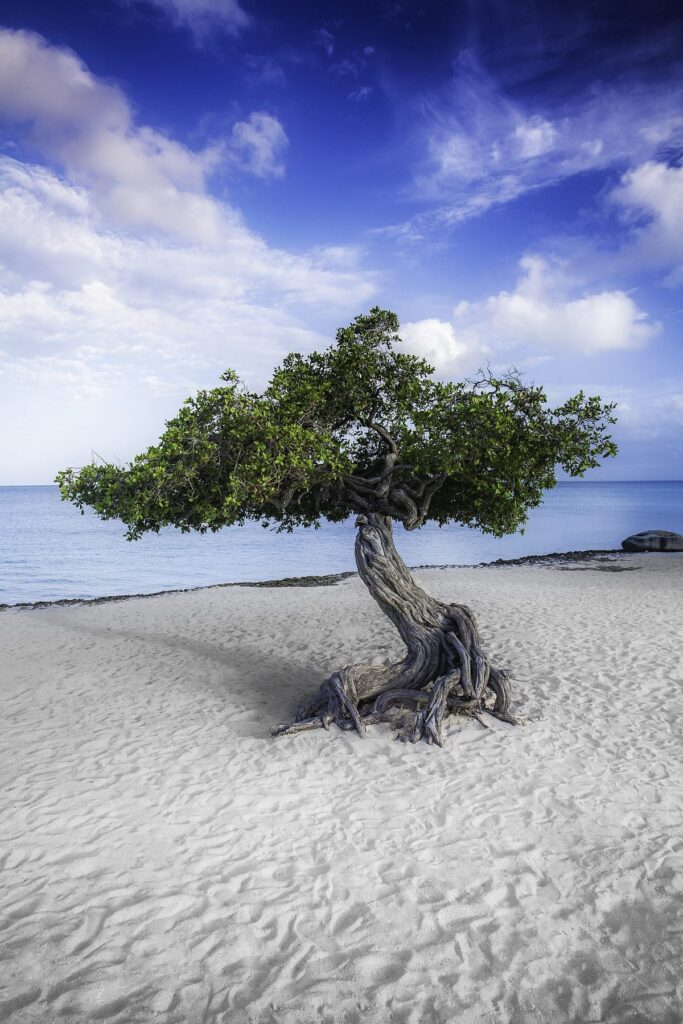
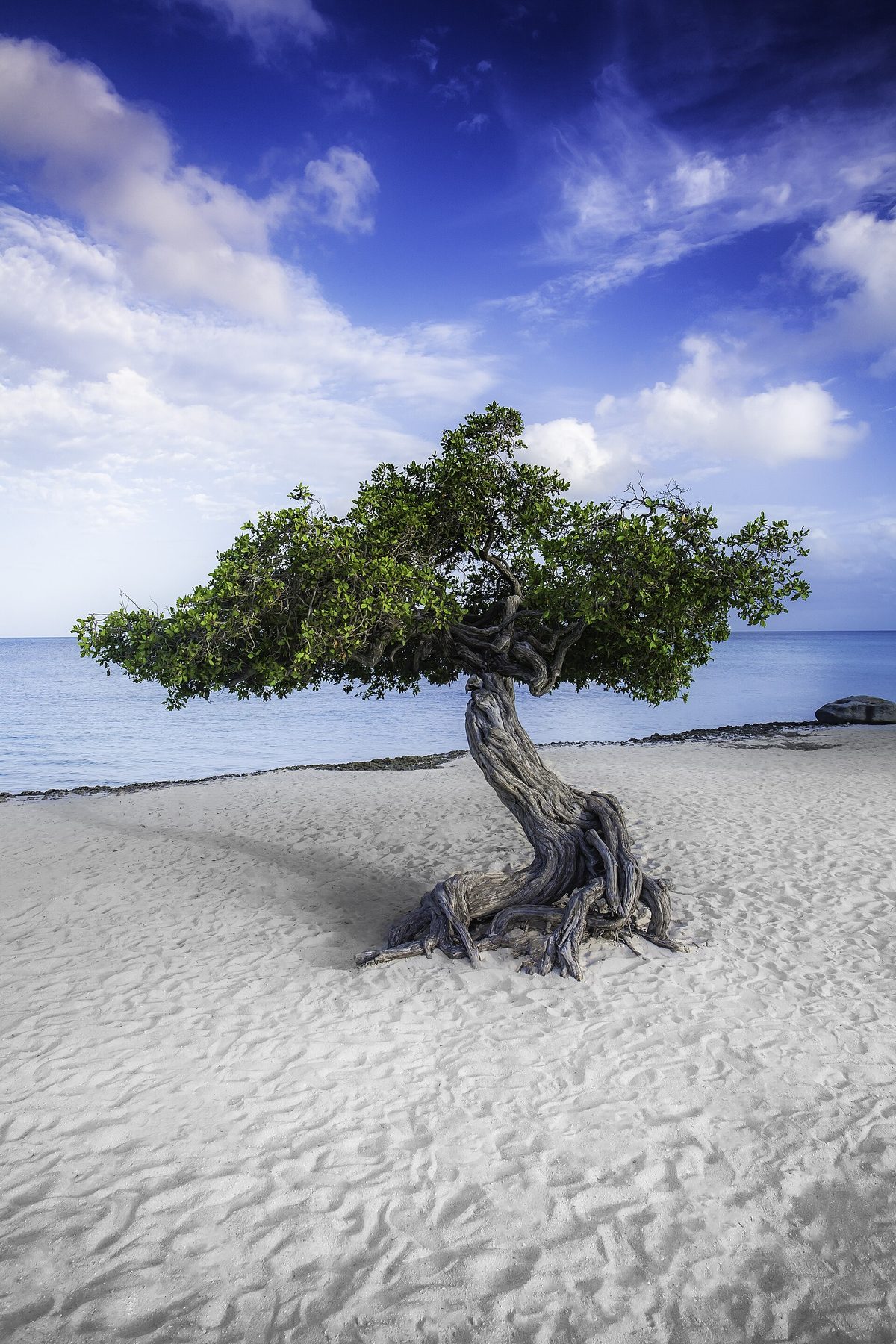
All images via Wikimedia Commons. The Palm Beach high-rise strip at night — Rarends297 (CC0); White-sand beach and the divi-divi tree — sbmeaper1 (CC0); A roulette wheel and casino chips — Dennispruess (CC0); Costumes at the Aruba Carnival parade — J.S Martinez (CC BY-SA 4.0); Colonial buildings in downtown Oranjestad — Choinowski (CC BY-SA 4.0).